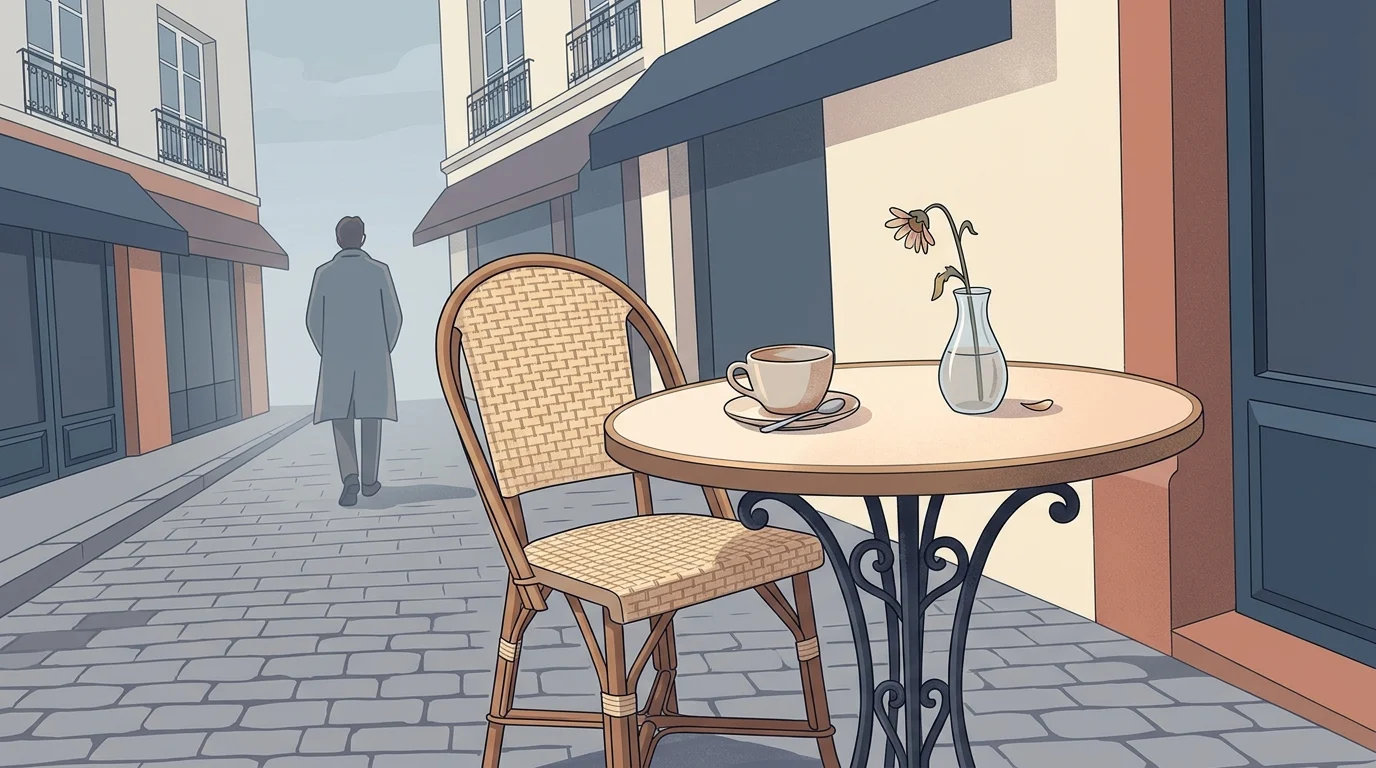
Quick Answer: C’est la vie is a French phrase that literally means “that’s life” or “such is life.” English speakers use it to express resigned acceptance of a disappointing or unfortunate situation that cannot be changed. It is the verbal equivalent of a shrug.
Some phrases travel across languages and keep their power intact. C’est la vie is one of them. This four-word French expression has been part of English conversation since the 1800s, and it remains one of the most recognizable foreign phrases in everyday use . The c’est la vie meaning is simple on the surface, but the attitude behind it carries centuries of French philosophy about accepting what you cannot control.
The phrase appears everywhere. Songs by Sonny & Cher and Stereophonics use it as a title. Books about French culture borrow it for their covers. People type it in group chats after missing a flight, losing a parking spot, or watching their favorite team lose a game . It is a small linguistic tool for handling minor disappointments without spiraling into frustration.
This guide explains what c’est la vie means, how to pronounce it, when to use it, and how it differs from similar expressions like “such is life” or “shit happens.” You will also learn the grammar behind the phrase and see examples of it in real-world contexts.
What Does C’est La Vie Mean?
The primary meaning of c’est la vie is “that’s life” or “such is life” . It is used to comment philosophically on a setback, a disappointment, or an annoying situation that is beyond your control. The Oxford English Dictionary traces the phrase’s use in English back to the 1850s, and it has remained in circulation ever since .
The phrase carries a tone of resigned acceptance. When someone says c’est la vie, they are not celebrating. They are acknowledging that something did not go their way, and they are choosing to move on rather than fight it. The Digital Dictionary of the German Language describes it as an expression of “resigned acceptance of the unchangeable” . In everyday terms, it means: “I do not like this, but I cannot change it, so I will accept it.”
| Aspect | Detail |
|---|---|
| Literal translation | “That’s life” or “This is life” |
| Common English equivalent | “Such is life” or “Oh well” |
| Tone | Resigned, philosophical, mildly disappointed |
| Typical use | Reacting to minor setbacks or uncontrollable events |
How to Pronounce C’est La Vie
The pronunciation varies depending on whether you are speaking French or using the phrase in English. The French pronunciation is approximately “say lah vee” with a soft, nasal quality on the “say” sound . English speakers typically say “say lah VEE” with a more relaxed, anglicized accent.
The Oxford English Dictionary lists several accepted English pronunciations, including “say lah VEE” and “say luh VEE” . None of them are wrong. If you are speaking to French speakers, try to soften the consonants and avoid stressing the final syllable too heavily. If you are using it casually in English conversation, the anglicized version is perfectly acceptable.
The Grammar Behind the Phrase
Understanding the grammar helps explain why the phrase means what it does. C’est la vie breaks down into four components:
- Ce means “this” or “that.”
- Est is the third-person singular form of the verb être, meaning “to be.”
- La is the feminine definite article, meaning “the.”
- Vie means “life.”
Together, the phrase translates to “that is life” or “this is life” . The grammar is simple, but the sentiment is not. The phrase does not describe life as joyful or fair. It describes life as unpredictable and sometimes unfair, and it suggests that the appropriate response is acceptance rather than resistance.
When to Use C’est La Vie
C’est la vie is best used for small disappointments, not major tragedies. It works well when you miss a bus, get caught in the rain without an umbrella, or find out your favorite restaurant is closed on the day you planned to visit. It is a light, philosophical shrug, not a response to genuine grief or crisis.
Good situations for c’est la vie:
- A minor inconvenience disrupts your plans.
- You receive news you did not want, but it is not life-altering.
- You are comforting someone who is frustrated by something trivial.
- You want to signal that you are moving on from a small setback.
Situations where c’est la vie is inappropriate:
- Someone has suffered a serious loss or trauma.
- A major life event has gone wrong, such as a wedding cancellation or a job loss.
- The person you are speaking to is genuinely distressed and needs empathy, not philosophy.
The phrase works best as a gentle acknowledgment, not as a dismissal of real pain.
C’est La Vie vs Similar Expressions
English has several phrases that serve a similar purpose, but each carries a slightly different nuance.
| Phrase | Nuance |
|---|---|
| C’est la vie | Philosophical, slightly French, mildly resigned |
| Such is life | More formal, slightly old-fashioned, same core meaning |
| That’s life | Casual, direct, neutral |
| Oh well | Lightest option, minimal emotional weight |
| Shit happens | Vulgar, blunt, emphasizes randomness rather than acceptance |
C’est la vie sits somewhere between “oh well” and “such is life.” It carries a bit more elegance than “oh well” and a bit less formality than “such is life.” It is also distinctly French, which gives it a certain charm that the English equivalents lack .
One common mistake is using c’est la vie to mean “this is the life” in a positive sense. If you are lounging on a beach with a drink in your hand, you would not say c’est la vie. That would confuse French speakers, because the phrase implies resignation, not contentment. For genuine contentment, the French might say “la belle vie” (the beautiful life) or “c’est la belle vie” .
C’est La Vie in Pop Culture and Everyday Speech
The phrase has appeared in numerous songs, films, and books. Sonny & Cher released “Sing C’est La Vie” in 1965. The band Stereophonics released a song titled “C’est La Vie” in 2015. B*Witched had a hit called “C’est La Vie” in the late 1990s . The phrase has also titled self-help books about French living, including a 2017 book called “C’est La Vie: The French Art of Letting Go” .
In everyday speech, c’est la vie shows up in social media captions, text messages, and casual conversation. People use it to caption photos of minor mishaps, to respond to friends who are complaining about small problems, and to close out a frustrating day with a philosophical shrug. It has become a shorthand for a specific emotional stance: I am not happy about this, but I am choosing not to let it ruin my day.
Frequently Asked Questions About C’est La Vie
What does c’est la vie mean in English?
C’est la vie means “that’s life” or “such is life.” It is used to express acceptance of a situation that cannot be changed, often with a tone of mild resignation.
Is c’est la vie positive or negative?
It is generally neutral to slightly negative. It acknowledges a disappointment or setback, but it also signals that the speaker is choosing to accept it rather than fight it.
How do you pronounce c’est la vie?
In French, it is pronounced roughly “say lah vee.” In English, common pronunciations include “say lah VEE” and “say luh VEE.” Both are acceptable .
Can I use c’est la vie in professional settings?
It is generally too casual for formal professional writing. However, it can work in casual workplace conversations, especially if you have a friendly relationship with your colleagues. Avoid it in emails to clients or senior leadership.
What is the difference between c’est la vie and “such is life”?
They mean the same thing. C’est la vie is simply the French version of the English phrase “such is life.” The French version carries a slightly more philosophical or worldly tone.
Is c’est la vie rude?
No, it is not rude in most contexts. It can feel dismissive if used in response to someone’s genuine distress, but in casual conversation about minor problems, it is perfectly appropriate.
C’est La Vie Meaning: Conclusion
The c’est la vie meaning is simple to define but useful to master. It means “that’s life,” and it carries a tone of calm, resigned acceptance. It is not a phrase for major tragedies. Using it correctly signals that you understand the difference between things you can control and things you cannot.
The next time something minor goes wrong, try it. Miss your train, spill your coffee, or get stuck in traffic. Take a breath, shrug, and say c’est la vie. It will not fix the problem, but it might make the moment easier to carry. Share this guide with someone who has always wondered what the phrase means, or leave a comment with your own c’est la vie moment.

Chloe Brooks is a passionate writer at ResponsCraft.com, creating clear, practical and well-researched content to help readers make informed decisions. She focuses on delivering engaging articles that are accurate, useful and easy to understand.
2 thoughts on “C’est La Vie Meaning: What This French Phrase Really Means in English”