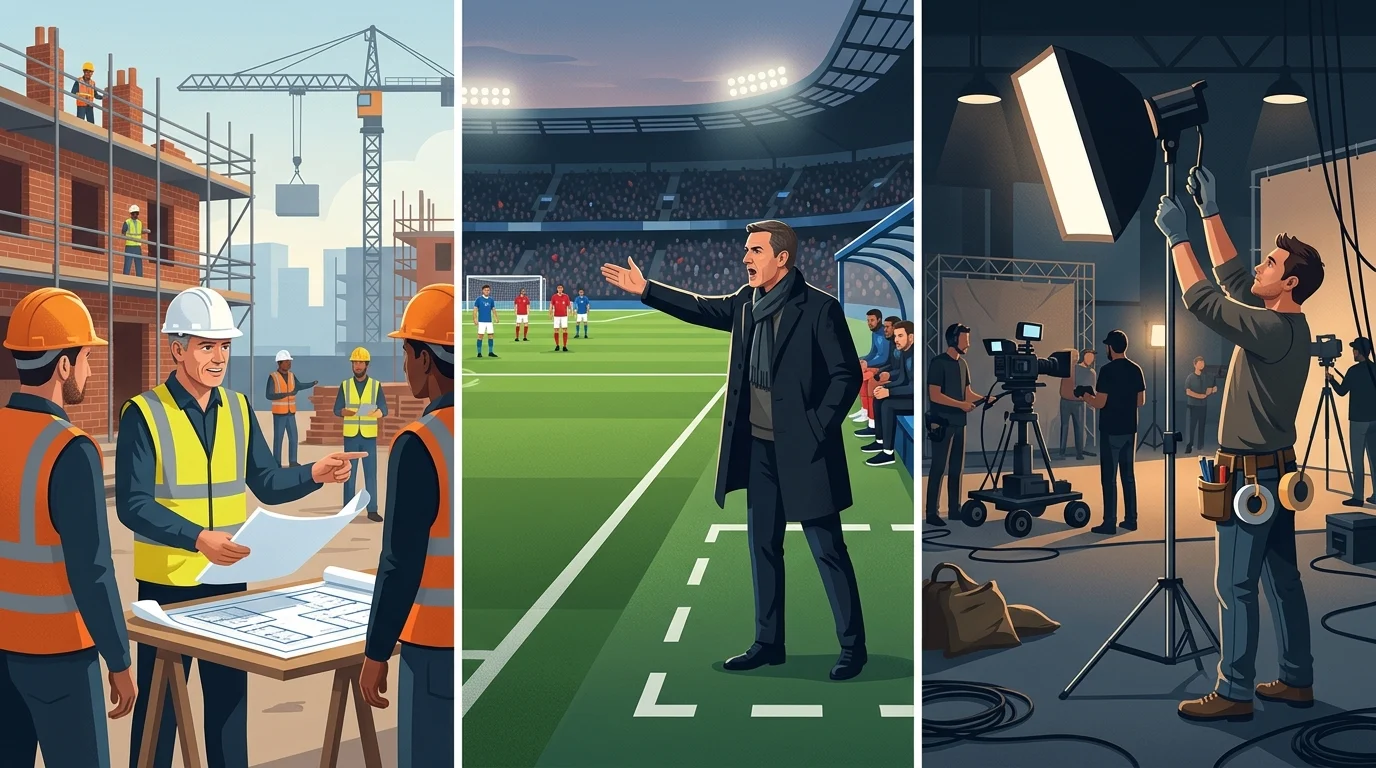
Quick Answer: “Alternative gaffer” is not a standard, fixed phrase with a single definition. Instead, it refers to the different meanings “gaffer” takes depending on context. In football, it means the head coach. In film and TV, it means the chief lighting technician. “Alternative gaffer” simply points to these other uses beyond the most common one you might already know.
The word “gaffer” is one of those English terms that confuses people because it wears many hats. You might hear it on a football broadcast, see it in a film crew list, or read it in a British workplace conversation. Each time, it means something slightly different. The phrase “alternative gaffer meaning” is what people search for when they realize the definition they learned first does not fit the situation they are in.
This guide breaks down the alternative meanings of gaffer in plain language. You will learn where the word came from, how it shifted across industries, and how to tell which meaning applies. By the end, you will know exactly what someone means when they call a football coach a gaffer, hire a gaffer on a film set, or use the word in everyday British speech.
Where the Word “Gaffer” Comes From
The history of “gaffer” explains why it has so many meanings today. The word likely comes from “godfather” or “grandfather,” used in England as far back as the 16th century as a respectful title for an man or the head of a household . Over time, that meaning of “old man” softened into a term of familiarity, and then evolved again into “foreman” or “boss” of a work crew .
That single shift from “old man” to “boss” is the root of every alternative meaning you see today. Whether you are talking about a football manager, a factory supervisor, or a film lighting chief, the core idea is the same: the gaffer is the person in charge.
Alternative Gaffer Meaning 1: British Slang for Boss
In everyday British English, “gaffer” is simply an informal way to say “boss” or “manager.” Workers on a construction site might call their foreman the gaffer. Factory employees might use it for their floor supervisor. It is not rude, but it is casual, and it implies a working relationship rather than a formal title .
This usage is common across trades and manual labor. If someone says “the gaffer wants this done by Friday,” they mean the person in charge, not a film technician or a football coach. It is the most flexible alternative meaning, and it is the one you are most likely to hear in ordinary conversation.
Alternative Gaffer Meaning 2: The Football Manager
Football fans around the world use “gaffer” to refer to their team’s manager or head coach. The term traveled from British working-class speech into football culture, where it stuck. When a club announces a new manager, headlines often say “the new gaffer” instead of “the new manager” .
This usage is especially strong in English football, but it has spread through global coverage of the Premier League and other English leagues. Rugby and cricket also use the term, though less frequently . If you hear “the gaffer is under pressure” after a string of losses, you are almost certainly reading about a football manager, not a lighting technician.
One important nuance: in modern football, the manager and head coach are not always the same role. Some clubs use a continental model where a sporting director handles transfers while the head coach focuses on the team. The word “gaffer” traditionally implies the manager who controls both, which is why it carries a bit of old-school weight .
Alternative Gaffer Meaning 3: The Film and TV Lighting Chief
In film and television production, the gaffer is the chief lighting technician. This person heads the electrical department and works directly with the director of photography to design and execute the lighting plan . The gaffer manages a team of electricians, handles power distribution, and makes sure every light on set is safe and working.
This is the most technical alternative meaning, and it is the one that confuses people outside the industry. If you see a job listing for a gaffer on a film set, it has nothing to do with football or factories. It is a senior role that requires electrical qualifications and years of on-set experience .
Some sources suggest the film usage comes from the old practice of using a “gaff,” a hook-like tool, to adjust overhead lights. Others say it simply carried over from the general “boss of the crew” meaning. Either way, the gaffer on a film set is the person in charge of the lights .
How to Tell Which Meaning Applies
Because “gaffer” has three common meanings, context is everything. Here is a simple way to tell them apart:
If you are reading about sports: It means the manager or head coach. Look for words like “club,” “match,” “tactics,” or “transfer.”
If you are on a film set or reading credits: It means the chief lighting technician. Look for words like “electric,” “lighting,” “set,” or “director of photography.”
If you are in a British workplace or trade setting: It means the boss or foreman. Look for words like “site,” “crew,” “shift,” or “job.”
If you are reading historical or slang content: It might mean an old man, though this usage is rare in modern speech .
Other Rare and Historical Meanings
Beyond the three main meanings, “gaffer” has appeared in some unusual contexts over the centuries. In old British dialect, it could mean a grandfather or an man addressed with familiarity . In gambling slang, a gaffer was someone who tossed coins in a heads-or-tails game, sometimes with tricks to control the outcome. These meanings are largely obsolete, but they show how far the word has traveled from its roots.
There is also a modern software tool called Gaffer, an open-source framework for visual effects production . If you search for “gaffer alternative” in a tech context, you might be looking for competing software, not a different definition of the word. This is a good reminder that search results can mix unrelated meanings, and context is always your best guide.
Frequently Asked Questions About Gaffer
Is “gaffer” a rude word?
No. In British slang and football, it is informal but respectful. In film production, it is a neutral job title. It only becomes rude if you use it sarcastically or in a context where a formal title is expected.
Why do British people call the boss a gaffer?
The word likely comes from “godfather” or “grandfather,” which originally meant an older man or head of a household. Over time, that meaning shifted to “foreman” and then to “boss” of any work crew .
What is the difference between a gaffer and a best boy in film?
The gaffer is the head of the electrical department. The best boy is the gaffer’s second in command, responsible for managing the crew, equipment, and scheduling. The best boy handles logistics so the gaffer can stay on set with the director of photography .
Is the football gaffer the same as the manager?
In traditional British usage, yes. The gaffer is the manager. However, some modern clubs separate the manager and head coach roles, and “gaffer” usually implies the older, all-encompassing manager role .
Can “gaffer” mean something else in other countries?
In the United States, “gaffer” is almost exclusively used for the film lighting role. The boss and football meanings are mostly British. Australian and New Zealand English use it in some trade contexts, but the film meaning is the most internationally recognized .
Conclusion
The alternative gaffer meaning depends entirely on where you hear the word. In a British workplace, it means the boss. On a football pitch, it means the manager. On a film set, it means the chief lighting technician. All three meanings trace back to the same root idea: the person in charge.
If you ever get confused, look at the surrounding words. Sports talk points to football. Set talk points to film. Workplace talk points to a foreman or supervisor. Once you know the context, the meaning becomes obvious.
Share this guide with someone who has ever been puzzled by a football headline or a film credit. The word “gaffer” is not going away, and now you know exactly what it means wherever you encounter it.

Lily Carter creates practical, easy-to-follow content for everyday readers at ResponseCraft.com. She enjoys turning complex topics into clear, actionable advice that helps people make smarter decisions.
3 thoughts on “Alternative Gaffer Meaning: What This Phrase Really Means in British Slang, Football, and Film”